Korean Black Bean Noodles Jjajang
Highlighted under: Global Flavors
Discover the rich and savory flavors of Korean Black Bean Noodles, also known as Jjajang. This comforting dish is perfect for any occasion.
Jjajangmyeon is a beloved Korean dish, famous for its thick black bean sauce and chewy noodles. Originating from Chinese cuisine, it has been adapted into a comforting staple in Korea.
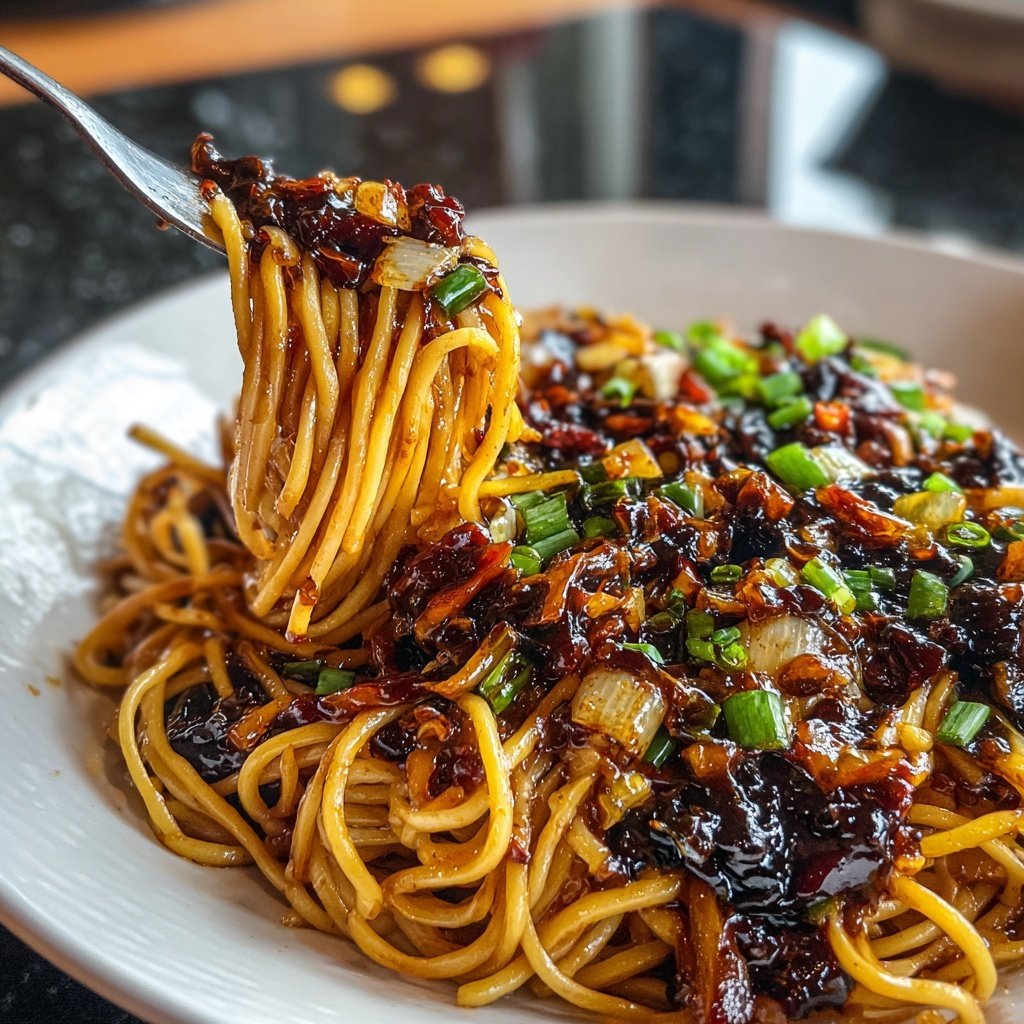
Why You Will Love This Recipe
- Bold and savory black bean sauce that packs a punch
- Quick and easy to prepare, perfect for weeknight dinners
- Deliciously satisfying with a unique blend of flavors
The Origins of Jjajang
Jjajang, which translates to 'black bean sauce', has its roots in Chinese cuisine, specifically from the northern regions. It was introduced to Korea in the late 19th century by Chinese immigrants and quickly became a staple comfort food across the country. The dish is characterized by its bold flavors and unique texture, which perfectly complement the noodles. Over time, Jjajang has evolved into various regional versions, with each adding a unique twist to the traditional recipe.
In Korea, Jjajang is often enjoyed during special occasions such as birthdays and celebrations. It holds a special place in the hearts of many, not just for its delicious taste but also for the memories it evokes of family gatherings and shared meals. The combination of tender noodles and rich black bean sauce creates a satisfying dish that is both hearty and comforting.
Perfecting Your Jjajang
To achieve the best flavor and texture in your Jjajang, it's essential to select high-quality black bean paste, known as Chunjang. Look for brands that use natural ingredients and have a rich, dark color. This ingredient is the heart of the dish, providing the bold flavor that Jjajang is known for. Additionally, feel free to customize the vegetables in the sauce to suit your taste or to use what you have on hand, making it a versatile and adaptable recipe.
Another tip for perfecting your Jjajang is to ensure that the pork belly is cooked until it's crispy on the outside. This adds an extra layer of flavor and texture to the dish. If you're looking for a lighter option, you can substitute the pork with chicken or tofu for a vegetarian version. Regardless of your choice, the key is to let the ingredients meld together during simmering for that authentic taste.
Serving Suggestions
Ingredients
For the Noodles
- 400g Korean wheat noodles (or any preferred noodles)
- Water for boiling
For the Black Bean Sauce
- 1 cup black bean paste (Chunjang)
- 300g pork belly, diced
- 1 onion, chopped
- 1 zucchini, diced
- 1 carrot, diced
- 2 tablespoons vegetable oil
- 2 cups water
- 1 tablespoon sugar
- 1 tablespoon soy sauce
- 1 teaspoon sesame oil
Make sure to have all your ingredients prepped before starting to cook for a smoother process.
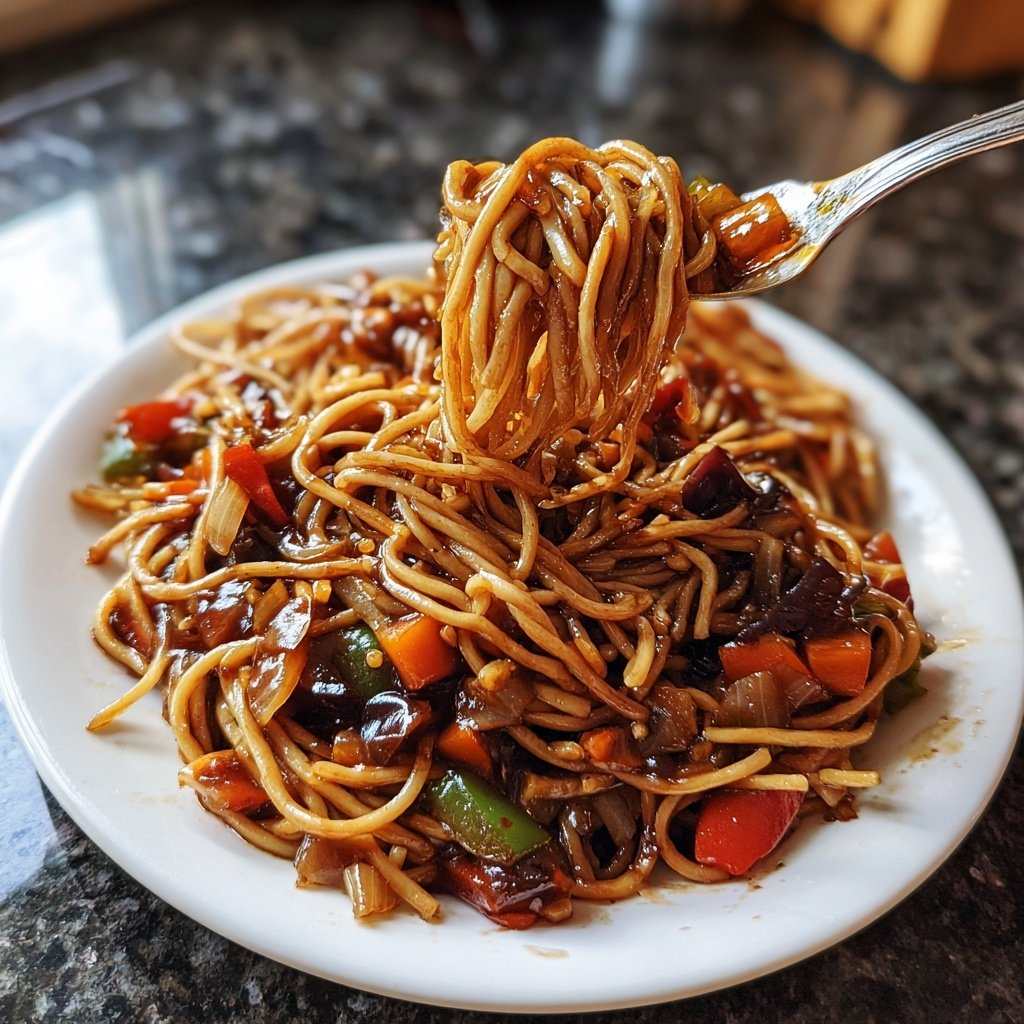
Cooking Instructions
Cook the Noodles
Boil water in a large pot. Add the noodles and cook according to package instructions until al dente. Drain and set aside.
Prepare the Sauce
In a large pan, heat vegetable oil over medium heat. Add the diced pork belly and cook until browned. Add the onion, zucchini, and carrot, sautéing until they are softened.
Make the Black Bean Sauce
Add the black bean paste to the pan and stir well. Pour in 2 cups of water, followed by sugar and soy sauce. Stir and let it simmer for about 10 minutes until thickened.
Combine and Serve
Mix the cooked noodles into the sauce, ensuring they are well coated. Drizzle with sesame oil before serving. Enjoy your homemade Jjajang!
Serve hot and enjoy your delicious Korean Black Bean Noodles!
Pro Tips
- For an extra kick, you can add chili paste to the sauce. Serve with pickled radish for a traditional touch.
Nutritional Benefits
Korean Black Bean Noodles Jjajang is not only delicious but also offers a variety of nutritional benefits. The primary ingredient, black bean paste, is rich in protein, fiber, and essential vitamins, making it a wholesome addition to your diet. The pork belly provides a good source of protein and healthy fats, while the vegetables contribute important nutrients and antioxidants.
Moreover, incorporating more plant-based ingredients, such as zucchini and carrots, ensures that you're getting a balance of vitamins and minerals. With the right portion size, Jjajang can be part of a healthy and balanced meal that satisfies hunger and nourishes the body.
Storing and Reheating Jjajang
If you happen to have leftovers, storing Jjajang is quite simple. Allow the dish to cool completely before transferring it to an airtight container. Kept in the refrigerator, it can last for up to three days. When you're ready to enjoy it again, simply reheat in a pan over medium heat, adding a splash of water if necessary to loosen the sauce.
For longer storage, you can freeze Jjajang. Portion it into freezer-safe containers, and it will keep well for up to two months. When you're ready to eat, thaw it overnight in the refrigerator and reheat as mentioned above. This makes Jjajang a great make-ahead meal for busy weeknights!
Questions About Recipes
→ Can I use a different type of meat?
Yes, you can substitute pork with chicken or beef based on your preference.
→ Is it possible to make this dish vegetarian?
Absolutely! You can replace the meat with tofu and use vegetable broth instead of water.
→ How do I store leftovers?
Store any leftovers in an airtight container in the refrigerator for up to 3 days.
→ Can I freeze Jjajang?
Yes, you can freeze the black bean sauce separately from the noodles for up to 1 month. Cook the noodles fresh when serving.
Korean Black Bean Noodles Jjajang
Created by: The Dishdune Team
Recipe Type: Global Flavors
Skill Level: Intermediate
Final Quantity: 4 servings
What You'll Need
For the Noodles
- 400g Korean wheat noodles (or any preferred noodles)
- Water for boiling
For the Black Bean Sauce
- 1 cup black bean paste (Chunjang)
- 300g pork belly, diced
- 1 onion, chopped
- 1 zucchini, diced
- 1 carrot, diced
- 2 tablespoons vegetable oil
- 2 cups water
- 1 tablespoon sugar
- 1 tablespoon soy sauce
- 1 teaspoon sesame oil
How-To Steps
Boil water in a large pot. Add the noodles and cook according to package instructions until al dente. Drain and set aside.
In a large pan, heat vegetable oil over medium heat. Add the diced pork belly and cook until browned. Add the onion, zucchini, and carrot, sautéing until they are softened.
Add the black bean paste to the pan and stir well. Pour in 2 cups of water, followed by sugar and soy sauce. Stir and let it simmer for about 10 minutes until thickened.
Mix the cooked noodles into the sauce, ensuring they are well coated. Drizzle with sesame oil before serving. Enjoy your homemade Jjajang!
Extra Tips
- For an extra kick, you can add chili paste to the sauce. Serve with pickled radish for a traditional touch.
Nutritional Breakdown (Per Serving)
- Calories: 550 kcal
- Total Fat: 22g
- Saturated Fat: 6g
- Cholesterol: 55mg
- Sodium: 700mg
- Total Carbohydrates: 70g
- Dietary Fiber: 4g
- Sugars: 5g
- Protein: 18g