Spring Green Pasta Primavera
Highlighted under: Seasonal & Festive
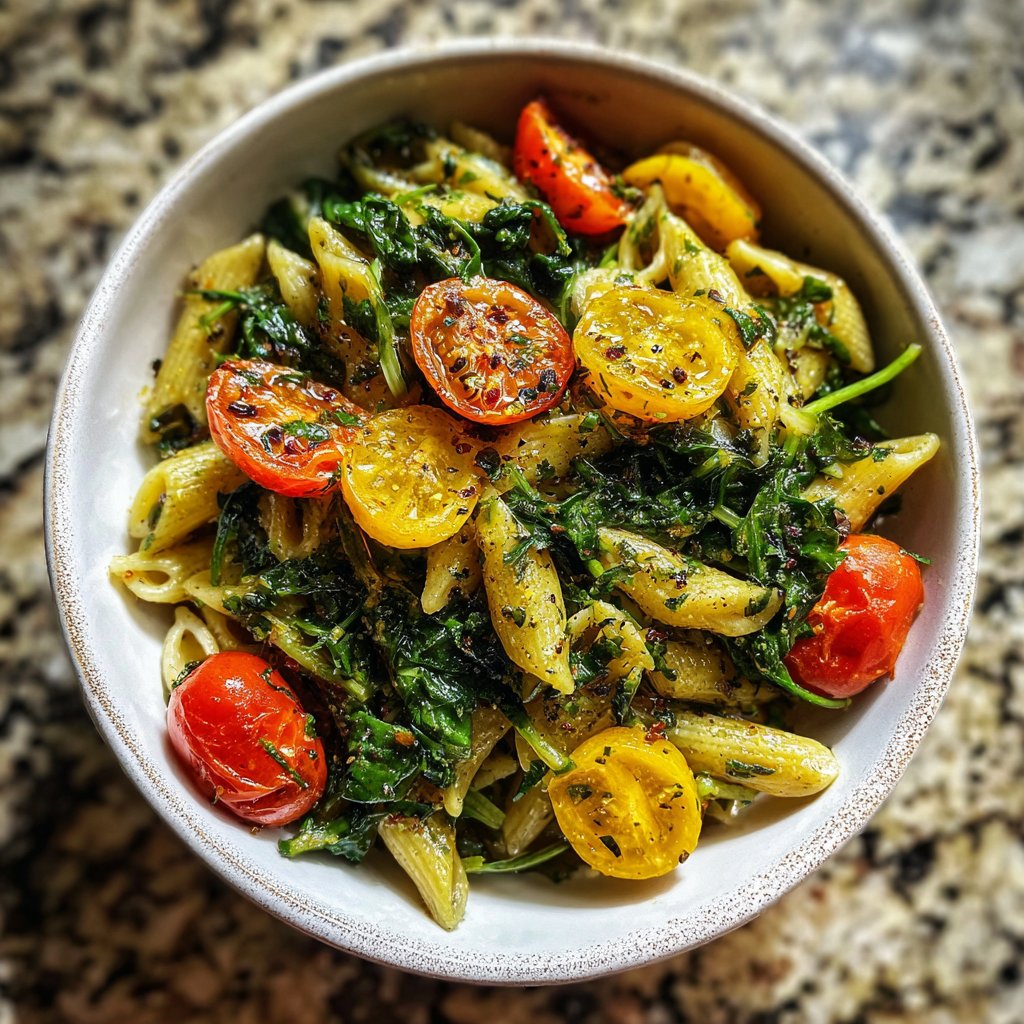
When I think of spring, I am immediately transported to vibrant markets brimming with fresh produce, and this Spring Green Pasta Primavera is my way of celebrating the season's bounty. I love how the crisp vegetables stir memories of sunlit picnics while the pasta provides a comforting base. With a mix of herbs and a splash of lemon, I find this dish incredibly refreshing. Whether served warm or at room temperature, it reminds me of the joys of cooking with seasonal ingredients and the energy they bring to our meals.
Last spring, I experimented with different seasonal vegetables in my pasta dishes, and I struck gold with this recipe. I enjoyed tossing in my favorite greens, like asparagus and peas, along with a sprinkle of fresh basil. The bright green colors and fresh flavors are simply invigorating, making me feel connected to nature's cycle. I discovered that mixing the vegetables into the pasta during the final moments elevates their texture, making every bite a burst of freshness.
I've learned that adding a squeeze of lemon just before serving can really enhance the dish, lifting the flavors and adding a beautiful aroma. The beauty of this pasta primavera is how flexible it is; you can swap in whatever greens are at their peak. It always brings a smile to my face and a little bit of the season to the table.
Why You'll Love This Recipe
- Vibrant seasonal vegetables bring color and nutrition.
- Light yet satisfying, making it perfect for any occasion.
- Quick and easy preparation for busy weeknight dinners.
Choosing the Right Pasta
The type of pasta you choose can greatly influence the texture and satisfaction of your Spring Green Pasta Primavera. While any shape works, I particularly recommend using shapes like fusilli or farfalle, which hold onto the sauce and bits of vegetables beautifully. For a gluten-free option, pasta made from quinoa or brown rice can provide a similar delightful texture while catering to dietary needs.
Cooking the pasta to al dente is crucial. This means it should still have a slight bite to it, which not only enhances the overall bite but also helps it stand up well against the tender sautéed vegetables. Remember to reserve some pasta water before draining; this starchy liquid is a secret weapon for creating a cohesive sauce.
Stir-Frying the Vegetables
When sautéing your vegetables, start with the garlic in hot olive oil until it's fragrant—about 1 minute. Be cautious not to burn the garlic; a golden hue is the goal. Then, add the asparagus first, since it takes a bit longer to become tender. After about 2 minutes, incorporate the zucchini and broccoli, cooking until they are vibrant in color and just tender, roughly 5-7 minutes total.
To bring out the best flavors, consider varying your herbs. While basil is a fantastic fit, fresh parsley or even mint can add a unique twist. Just be sure to add the herbs at the end to retain their fresh taste and vibrant color. This way, they won't lose their essential oils and aromatic qualities, maintaining that bright essence of spring.
Storage and Serving Suggestions
If you have leftovers, store your pasta primavera in an airtight container in the refrigerator for up to 3 days. To reheat, add a splash of olive oil or a little reserved pasta water to avoid it becoming dry. Warm it gently in a skillet over medium heat, tossing to combine until heated through—about 5 minutes will do.
This dish can also serve as a delightful cold pasta salad! Once cooled, add extra fresh herbs and a splash of lemon juice for a refreshing flavor boost. Serve it alongside grilled chicken or fish for a complete meal, or enjoy it on its own as a light lunch option. The versatility of this recipe makes it perfect for adapting to your needs and preferences!
Ingredients
Ingredients for Spring Green Pasta Primavera
Ingredients
- 12 oz pasta (any shape you prefer)
- 1 cup asparagus, trimmed and cut into 1-inch pieces
- 1 cup green peas (fresh or frozen)
- 1 cup zucchini, diced
- 1 cup broccoli florets
- 3 cloves garlic, minced
- 2 tbsp olive oil
- Juice of 1 lemon
- 1/4 cup fresh basil, chopped
- Salt and pepper to taste
- Parmesan cheese for serving (optional)
Instructions
Instructions
Cook the Pasta
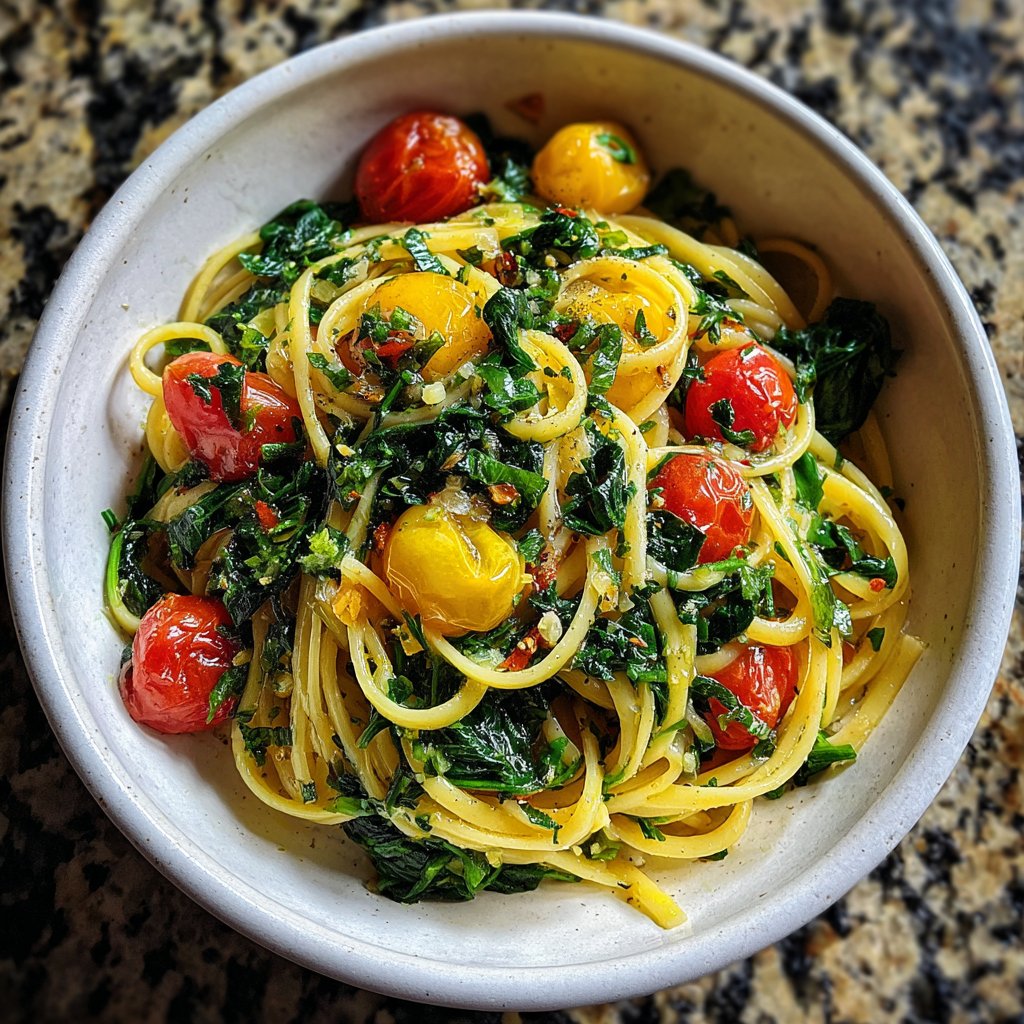
Bring a large pot of salted water to a boil. Add the pasta and cook according to the package instructions until al dente. Reserve 1 cup of pasta water before draining.
Sauté the Vegetables
In a large skillet, heat the olive oil over medium heat. Add garlic and sauté for 1 minute until fragrant. Then add the asparagus, zucchini, and broccoli. Sauté for about 5 minutes, or until they are tender.
Combine Ingredients
Stir in the peas, cooked pasta, lemon juice, and a splash of reserved pasta water. Toss everything together to combine, adding more pasta water as needed to create a light sauce.
Season and Serve
Remove from heat, add fresh basil, and season with salt and pepper to taste. Serve hot with grated Parmesan cheese if desired.
Pro Tips
- For extra flavor, consider adding a pinch of red pepper flakes or a sprinkle of lemon zest before serving. You can also incorporate other seasonal veggies like bell peppers or spinach to customize the dish to your liking.
Ingredient Insights
Each vegetable in this dish plays a role in balancing flavor and texture. Asparagus provides a crisp bite, while zucchini adds a silky, smooth element, creating a lovely contrast in every forkful. The green peas contribute a natural sweetness that complements the dish's overall flavor profile. If you can't find fresh peas, frozen ones work just as well; just make sure to add them in the last minute of cooking to keep their vibrant color and bite.
The fresh basil not only enhances the aroma but also elevates the brightness of the lemon juice, making each bite invigorating. If you're feeling adventurous, consider adding a handful of arugula or spinach during the final mixing to increase the greens and add earthiness.
Flavor Variations
To add depth to your Spring Green Pasta Primavera, consider incorporating a few teaspoons of pesto or a sprinkle of red pepper flakes for a hint of heat. A splash of white wine during the sautéing process can also bring a touch of acidity that pairs beautifully with the vegetables and helps to amplify flavors. Just let it reduce for a minute before adding the pasta and peas.
For a protein boost, sauté some shrimp or chicken in the pan before adding the vegetables. Simply cook the protein until golden and cooked through, then remove it to add the veggies, followed by tossing everything together at the end. This addition turns the dish into a hearty meal without compromising its fresh essence.
Questions About Recipes
→ Can I use whole wheat pasta instead?
Absolutely! Whole wheat pasta is a great alternative that adds fiber and a nutty flavor.
→ What can I substitute for basil?
You can use fresh parsley or cilantro if basil is not available, or even a mix of fresh herbs.
→ How do I store leftovers?
Store any leftovers in an airtight container in the refrigerator for up to 3 days. Reheat gently before serving.
→ Can I make this vegan?
Yes! Simply omit the Parmesan cheese or use a vegan alternative.
Spring Green Pasta Primavera
Created by: The Dishdune Team
Recipe Type: Seasonal & Festive
Skill Level: Easy
Final Quantity: 4 servings
What You'll Need
Ingredients
- 12 oz pasta (any shape you prefer)
- 1 cup asparagus, trimmed and cut into 1-inch pieces
- 1 cup green peas (fresh or frozen)
- 1 cup zucchini, diced
- 1 cup broccoli florets
- 3 cloves garlic, minced
- 2 tbsp olive oil
- Juice of 1 lemon
- 1/4 cup fresh basil, chopped
- Salt and pepper to taste
- Parmesan cheese for serving (optional)
How-To Steps
Bring a large pot of salted water to a boil. Add the pasta and cook according to the package instructions until al dente. Reserve 1 cup of pasta water before draining.
In a large skillet, heat the olive oil over medium heat. Add garlic and sauté for 1 minute until fragrant. Then add the asparagus, zucchini, and broccoli. Sauté for about 5 minutes, or until they are tender.
Stir in the peas, cooked pasta, lemon juice, and a splash of reserved pasta water. Toss everything together to combine, adding more pasta water as needed to create a light sauce.
Remove from heat, add fresh basil, and season with salt and pepper to taste. Serve hot with grated Parmesan cheese if desired.
Extra Tips
- For extra flavor, consider adding a pinch of red pepper flakes or a sprinkle of lemon zest before serving. You can also incorporate other seasonal veggies like bell peppers or spinach to customize the dish to your liking.
Nutritional Breakdown (Per Serving)
- Calories: 320 kcal
- Total Fat: 10g
- Saturated Fat: 1g
- Cholesterol: 0mg
- Sodium: 75mg
- Total Carbohydrates: 50g
- Dietary Fiber: 7g
- Sugars: 5g
- Protein: 12g